


A plastic processing operator is a manufacturing professional who sets up, operates, and monitors industrial machinery such as injection molding, extrusion, and blow molding systems to convert raw plastic materials into finished goods. This role combines technical machine handling, quality control, and safety management to ensure consistent production output across industries.
- Understanding the Role in Modern Manufacturing
- Core Responsibilities on the Production Floor
- Plastic Processing Methods Used in Industry
- Key Skills Required for Success
- Education, Certification, and Training Pathways
- Industries That Hire Plastic Processing Professionals
- Work Environment and Safety Standards
- Career Growth and Salary Outlook
- Challenges and Professional Development
- FAQs
- Conclusion
A plastic processing operator works in factories that produce packaging, automotive components, medical devices, construction materials, and consumer products. By controlling heat, pressure, and material flow, the operator ensures every product meets strict quality standards while maintaining efficiency and workplace safety.
Understanding the Role in Modern Manufacturing
In today’s advanced production facilities, a plastic processing operator does far more than run equipment. The role requires technical awareness, attention to detail, and a strong understanding of how polymer materials react under different processing conditions.
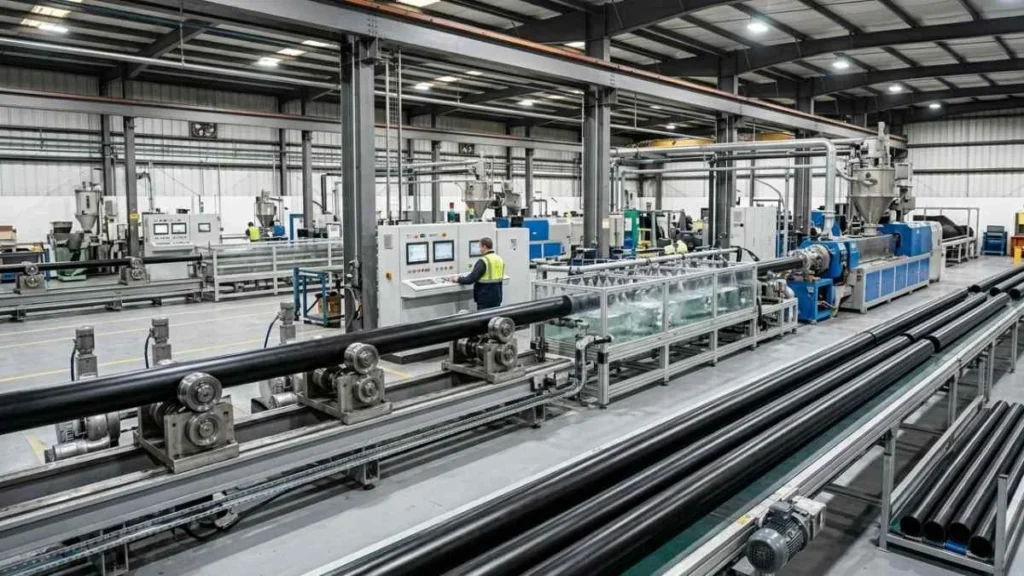
Manufacturers depend on trained machine operators in plastics manufacturing to reduce waste, improve cycle time, and maintain compliance with international quality benchmarks. As smart factories adopt automation and digital monitoring systems, operators must also interpret data dashboards and production metrics in real time.
Core Responsibilities on the Production Floor
A plastic processing operator handles daily production tasks that directly impact efficiency and product quality. While duties may vary by facility, responsibilities typically include:
Machine Setup and Calibration
- Install molds or dies according to product design
- Adjust temperature zones and pressure settings
- Configure cycle times and cooling systems
- Test initial samples before full production
Production Monitoring and Adjustments
- Observe melt temperature and material flow
- Track output rates and reject levels
- Modify parameters to correct defects
- Record production data for reporting
Quality and Safety Oversight
- Inspect finished components for defects
- Measure dimensions using gauges and tools
- Follow safety compliance procedures
- Maintain clean and hazard-free work areas
These tasks ensure production remains smooth and consistent throughout each shift.
Plastic Processing Methods Used in Industry
A plastic processing operator may work with several manufacturing techniques depending on the company’s specialization.
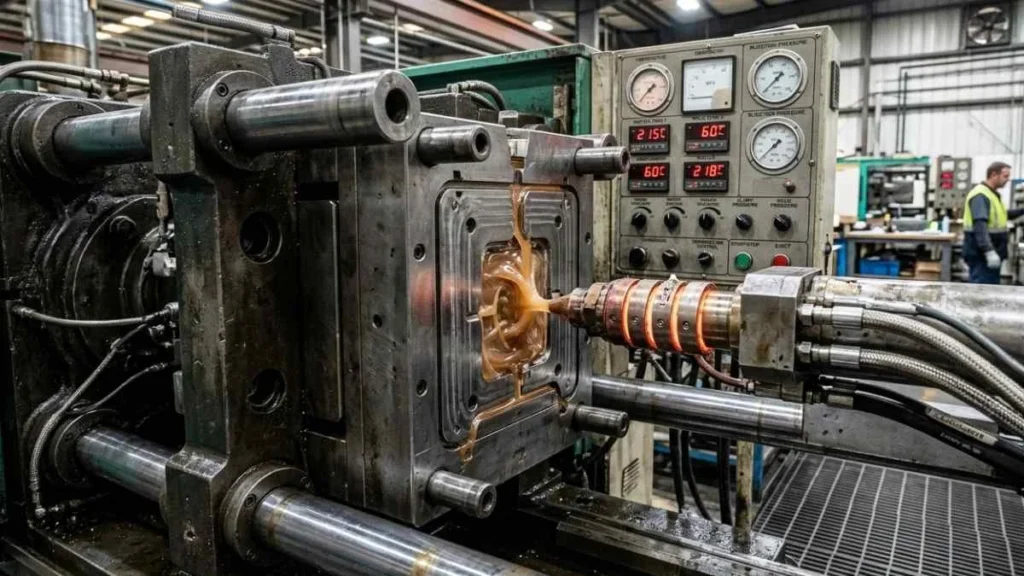
Injection molding is widely used for precise components such as automotive interiors and electronic housings. The operator controls heating, injection pressure, and mold cooling to produce uniform parts.
Extrusion creates continuous products like pipes, sheets, and tubing. In this process, the operator monitors screw speed and die alignment to maintain correct thickness and shape.
Blow molding produces hollow items such as bottles and containers. Air pressure and wall thickness must be carefully controlled to avoid weak spots or deformities.
Each method requires hands-on expertise and understanding of polymer processing technician responsibilities within a production system.
Key Skills Required for Success
A plastic processing operator must develop a blend of technical knowledge and practical problem-solving ability. The most valuable skills include:
- Understanding of thermoplastics and polymer behavior
- Ability to read technical drawings and production sheets
- Mechanical troubleshooting knowledge
- Awareness of safety standards in manufacturing
- Strong attention to detail
Education, Certification, and Training Pathways
On-the-job training is common, especially for entry-level roles. Over time, a plastic processing operator may pursue certifications in quality management systems or industrial safety standards to enhance career growth.
Some professionals continue their education in manufacturing technology or process engineering. This opens opportunities for supervisory or technical specialist roles within plastics production facilities.
Industries That Hire Plastic Processing Professionals
Plastic components are essential in nearly every major sector. A plastic processing operator may find employment in automotive plants producing dashboards and interior fittings. Medical manufacturers rely on operators to create sterile equipment and disposable devices.
Packaging companies hire extrusion machine operators and molding technicians to produce containers for food and beverages. Construction material manufacturers also depend on plastic fabrication specialists for piping and insulation materials.
Work Environment and Safety Standards
The environment typically includes high-temperature machinery and automated systems. Safety training is essential. Operators must follow lockout procedures, wear protective equipment, and maintain organized workspaces.
Companies emphasize regulatory compliance and occupational safety standards to prevent workplace accidents. Proper training ensures employees can manage equipment safely and confidently.
Career Growth and Salary Outlook
Below is a simplified overview of career progression in plastics manufacturing:
| Experience Level | Typical Role | Key Responsibility | Growth Potential |
| Entry Level | Machine Operator | Basic setup and monitoring | Skill development |
| Mid Level | Senior Operator | Process optimization | Team leadership |
| Advanced | Process Technician | Troubleshooting and calibration | Engineering pathway |
| Management | Production Supervisor | Oversight and planning | Operations management |
Challenges and Professional Development
Like many industrial roles, this profession involves physical activity and attention during long shifts. However, structured training programs and ergonomic improvements have made facilities safer and more efficient.
Continuous learning is essential. A plastic processing operator who stays informed about new materials, equipment upgrades, and regulatory changes strengthens long-term career stability.
FAQs
1. How long does it take to become fully trained in this role?
Most operators become proficient within six to twelve months of structured training and hands-on experience.
2. Is prior manufacturing experience required?
Not always, but mechanical aptitude and technical training improve hiring prospects.
3. Can this career lead to engineering positions?
Yes, with further education and certifications, advancement into technical and engineering roles is possible.
Conclusion
A plastic processing operator plays a vital role within modern manufacturing systems. By managing machine setup, monitoring production, ensuring quality, and maintaining safety, these professionals transform raw polymers into reliable finished products used across global industries.
As technology advances and sustainability becomes a priority, the demand for skilled plastic processing operator professionals continues to grow. With technical training, practical experience, and commitment to safety, this career offers stability, advancement potential, and meaningful contribution to modern industrial production.