


Tongho, also called shungiku or garland chrysanthemum, is a nutrient-rich, edible leafy green widely used in East Asian cuisine. Distinct from ornamental chrysanthemums, it offers a peppery, herbal flavor that enhances soups, stir-fries, and hot pots. Rich in vitamins, minerals, antioxidants, and fiber, tongho supports overall health while adding unique taste and aroma to dishes. Its tender leaves and stems require careful handling, making it a versatile and essential ingredient in traditional and modern cooking.
- Origins and Botanical Background
- Nutritional Profile of Tongho
- Culinary Characteristics and Flavor Profile
- Culinary Uses Across East Asia
- Tongho vs. Ornamental Chrysanthemum
- Tips for Selecting and Storing Tongho
- Cooking Techniques and Flavor Preservation
- The Role of Tongho in a Balanced Diet
- FAQs
- Final Thought
Origins and Botanical Background
Tongho, also known as shungiku or garland chrysanthemum, originates from East Asia, particularly China and Japan, where it has been cultivated for centuries. Unlike ornamental chrysanthemums, tongho belongs to edible chrysanthemum varieties prized for their tender leaves and stems. Botanically, it is part of the Chrysanthemum genus, valued for its unique peppery and herbal flavor. Traditionally, it has been a staple in soups, stir-fries, and hot pots across the region.
Nutritional Profile of Tongho
| Nutrient | Benefits | Approximate Content per 100g |
| Vitamin A | Supports eye health, skin health, and immune function | 7,600 IU |
| Vitamin C | Boosts immunity, antioxidant protection, and collagen synthesis | 35 mg |
| Vitamin K | Essential for blood clotting and bone health | 200 µg |
| Folate (Vitamin B9) | Supports cell growth, DNA synthesis, and pregnancy health | 75 µg |
Culinary Characteristics and Flavor Profile
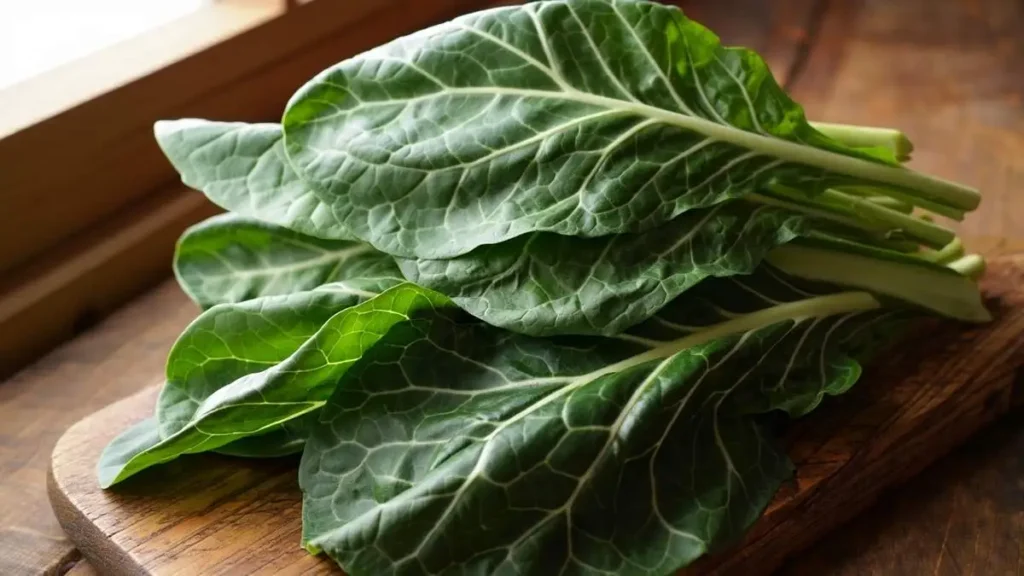
One of Tongho’s defining characteristics is its unique flavor. The leaves and stems offer a mildly bitter, peppery, and herbal taste, which can complement both delicate and robust dishes. When raw, the flavor is sharp and aromatic, while brief cooking softens the bitterness, enhancing its earthy undertones.
- Quick Cooking: It wilts rapidly under heat, so it is generally added at the end of cooking to preserve its texture and flavor.
- Avoid Overcooking: Prolonged cooking can cause the leaves to become overly bitter and mushy.
- Pairing: It pairs well with light broths, garlic, soy sauce, sesame oil, and mild proteins like tofu, chicken, or seafood. Its slightly astringent flavor can balance rich, fatty ingredients in hot pots or stir-fries.
This combination of aromatic complexity and tender texture explains Tongho’s enduring popularity in traditional East Asian recipes.
Culinary Uses Across East Asia
1. Hot Pots and Nabemono
In Japan, shungiku is a staple in nabemono (hot pot dishes), added in the final minutes of cooking to preserve its tender texture and herbal aroma. In Chinese cuisine, tongho is often included in suancai (pickled vegetables) hot pots, providing contrast to rich broths and fatty meats. The leaves and stems wilt quickly, releasing flavor while maintaining a slightly crisp texture.
2. Soups and Broths
It can elevate simple soups and broths with herbal complexity. Its peppery notes enhance chicken, pork, or seafood-based soups, making them more aromatic without overwhelming the primary flavors. To avoid bitterness, the leaves are typically added just before serving.
3. Stir-Fries and Sauteed Dishes
In Korean and Chinese cooking, it is stir-fried with garlic, sesame oil, and light soy sauce to create a quick, nutrient-rich side dish. Pairing it with mushrooms, tofu, or thinly sliced meats creates a balanced and flavorful dish that celebrates the green’s unique taste.
Tongho vs. Ornamental Chrysanthemum
| Feature | Tongho (Shungiku / Garland Chrysanthemum) | Ornamental Chrysanthemum |
| Purpose | Edible leafy green used in cooking | Decorative plant grown for flowers |
| Flavor | Peppery, herbal, slightly bitter | Usually bitter or inedible |
| Nutritional Value | High in vitamins A, C, K, calcium, and antioxidants | Minimal nutritional value |
| Culinary Use | Hot pots, soups, stir-fries, salads, pickles | Not used in cooking |
Tips for Selecting and Storing Tongho
Due to its delicate nature, freshness is critical when buying and storing it. Here are some professional tips for selection and storage:
- Appearance: Look for bright green leaves without yellowing or wilting. Stems should be firm and crisp.
- Aroma: Fresh, it should have a subtle herbal fragrance; avoid leaves with a strong or off-putting smell.
- Storage: Store unwashed leaves in a perforated plastic bag in the refrigerator. Ideally, consume within 2 to 3 days to maintain flavor and nutritional value.
Proper handling ensures that Tongho retains its distinct flavor, nutritional benefits, and appealing texture.
Cooking Techniques and Flavor Preservation
Tongho’s tender structure requires minimal cooking time. Overcooking can lead to bitterness and loss of texture. Some professional techniques to maximize its culinary potential include:
- Quick blanching: Briefly submerge in boiling water for 10–20 seconds, then shock in ice water to maintain color and texture.
- Stir-frying over high heat: Cook rapidly with oil and aromatics for a few minutes to release flavor without degrading nutrients.
- Adding last in soups or hot pots: Introduce Tongho at the final minute to preserve its tender leaves and herbal aroma.
By following these techniques, chefs and home cooks alike can enjoy Tongho’s full sensory and nutritional benefits.
The Role of Tongho in a Balanced Diet
Tongho is a nutrient-dense leafy green that supports a balanced diet with its rich vitamins, minerals, antioxidants, and fiber. Its low-calorie, high-nutrient profile makes it ideal for weight management and overall wellness. Regular consumption promotes immune health, bone strength, digestion, and vision. Easily incorporated into soups, stir-fries, salads, and hot pots, it enhances both flavor and nutritional value, making it a versatile addition to any healthy meal plan.
FAQs
Q1: Where can I buy Tongho?
It is commonly found in East Asian grocery stores, specialty markets, and online seed suppliers for home cultivation.
Q2: How do you reduce bitterness in Tongho?
Quick cooking, pairing with umami-rich ingredients, or blanching in salted water can reduce bitterness without compromising flavor.
Q3: Can Tongho be grown at home?
Yes, it is relatively easy to cultivate in cool climates with well-drained soil and regular watering. It grows quickly and can be harvested multiple times per season.
Final Thought
Tongho is more than just a leafy green; it is a culinary and nutritional treasure. Its peppery, herbal flavor enhances East Asian dishes while delivering essential vitamins, minerals, and antioxidants. Versatile in soups, stir-fries, hot pots, and salads, it preserves both taste and health benefits when cooked properly. Incorporating it into daily meals supports overall wellness, making it an indispensable ingredient for flavorful, nutrient-rich, and balanced diets.