

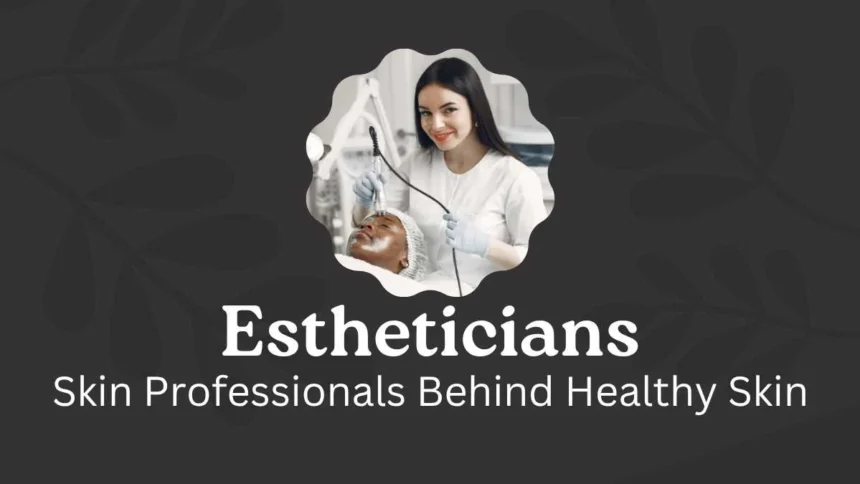
Estheticians are licensed skincare professionals trained to perform non-medical cosmetic treatments designed to improve the appearance and condition of the skin. From customized facials and chemical peels to acne management and skin analysis, they help clients address common concerns while creating routines that support long-term skin health.
For many people, an esthetician becomes a trusted skincare partner, someone who understands their skin’s changing needs and helps them navigate everything from breakouts to signs of aging.
What Is an Esthetician?
An esthetician specializes in cosmetic skincare treatments that improve the skin’s appearance, texture, and overall condition. Unlike medical professionals, estheticians do not diagnose diseases or perform medical procedures. Instead, they focus on preventive care, maintenance, and non-invasive treatments.
Most estheticians complete formal training programs and obtain state-required licenses before working with clients. Because skincare technology evolves rapidly, many professionals continue their education throughout their careers to stay current with new treatments and products.
Services Commonly Provided by Estheticians
While services vary by location and licensing regulations, most estheticians offer a range of treatments designed to enhance skin health and appearance.
Customized Facials
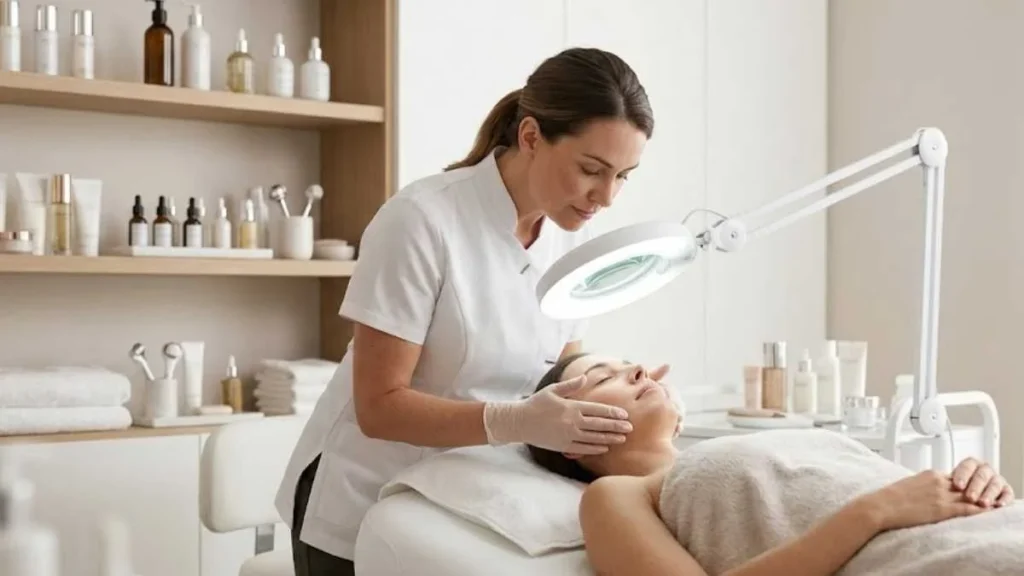
Facials remain one of the most popular esthetic services. A professional facial often includes cleansing, exfoliation, extractions when appropriate, hydration, and targeted treatments based on individual skin concerns.
For example, someone with oily, acne-prone skin may receive deep-cleansing treatments, while a client experiencing dryness may benefit from intensive hydration therapies.
Chemical Peels
Light chemical peels use carefully selected acids to remove dead skin cells and encourage skin renewal. These treatments can help improve:
- Uneven skin tone
- Mild acne
- Sun damage
- Fine lines
- Dullness
Estheticians typically perform superficial peels rather than deeper medical-grade procedures.
Hair Removal
Many estheticians provide waxing and other hair-removal services for areas such as:
- Eyebrows
- Upper lip
- Face
- Arms
- Legs
- Bikini area
Proper technique helps reduce irritation and achieve smoother results.
Acne Support Treatments
Although estheticians cannot medically treat severe acne, they often help clients manage mild to moderate breakouts through specialized facials, product recommendations, and lifestyle guidance.
Skin Analysis and Product Recommendations
One of the most valuable services an esthetician provides is professional skin assessment. Many people use products unsuited to their skin type, leading to irritation, congestion, or ineffective results.
An experienced esthetician can identify patterns and recommend a practical routine that aligns with a client’s goals and budget.
Esthetician vs. Dermatologist: Understanding the Difference
A common misconception is that estheticians and dermatologists perform the same role. In reality, their responsibilities are quite different.
| Esthetician | Dermatologist |
| Provides cosmetic skincare treatmentsPerforms facials, peels, and waxingRecommends skincare productsFocuses on appearance and maintenanceWorks in spas, salons, wellness centers, or skincare clinics | Medical doctor specializing in skin healthDiagnoses skin diseases and conditionsPrescribes medicationsPerforms medical and surgical proceduresTreats conditions such as eczema, psoriasis, severe acne, and skin cancer |
Benefits of Seeing an Esthetician
Skincare trends often promote one-size-fits-all solutions. Estheticians evaluate individual factors such as skin type, lifestyle, age, and environmental exposure before recommending treatments.
Many treatments require specialized training and equipment. Professional exfoliation, extraction techniques, and advanced facial technologies can produce results that home routines cannot easily achieve.
While estheticians do not diagnose medical conditions, experienced professionals frequently notice unusual skin changes and may encourage clients to seek medical evaluation when appropriate.
How to Choose the Right Esthetician
Not all skincare professionals offer the same expertise or specialties. When selecting an esthetician, consider the following:
Verify Licensing
Always ensure the professional holds the required license in their jurisdiction and operates in a clean, professional environment.
Ask About Specializations
Some estheticians focus on:
- Acne-prone skin
- Sensitive skin
- Anti-aging treatments
- Hyperpigmentation
- Bridal skincare
Finding someone experienced with your primary concern often leads to better results.
Schedule a Consultation
A consultation reveals how thoroughly the esthetician evaluates your skin and explains treatment options. The best professionals prioritize education rather than aggressive product sales.
Read Reviews Carefully
Look beyond star ratings. Detailed reviews that describe communication, professionalism, cleanliness, and long-term results often provide more meaningful insights.
What to Expect During Your First Appointment
First visits usually begin with a consultation discussing:
- Skin concerns
- Allergies
- Current products
- Lifestyle habits
- Treatment goals
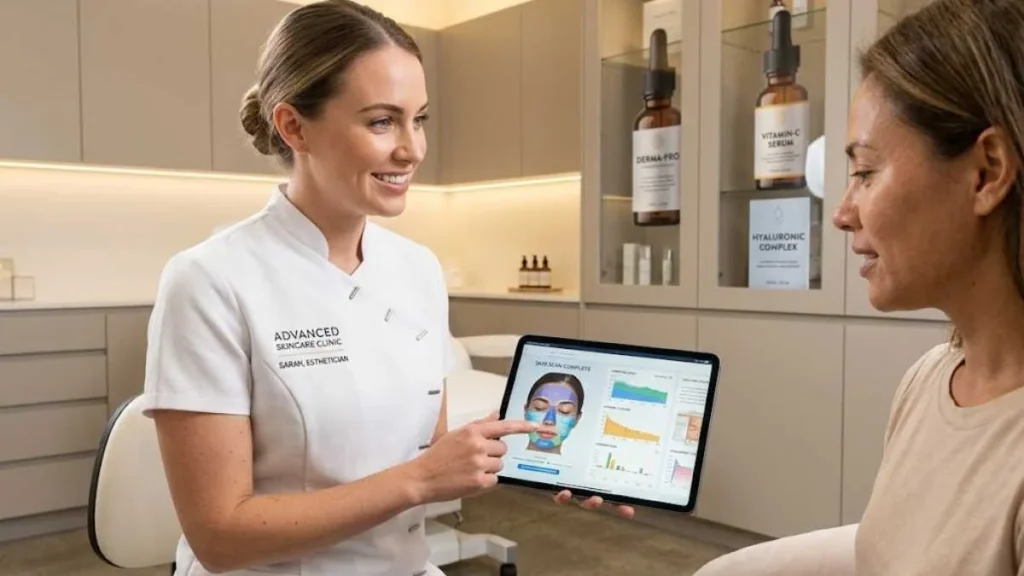
The esthetician then examines your skin and recommends an appropriate treatment plan. Clients often leave with practical advice for improving their daily skincare routine, not just recommendations for additional appointments.
Frequently Asked Questions
How often should I see an esthetician?
Many clients schedule appointments every four to six weeks, though frequency depends on skin goals, budget, and treatment type.
Do estheticians perform medical procedures?
No. Estheticians provide cosmetic, non-medical treatments. Medical procedures must be performed by appropriately licensed healthcare professionals.
Are chemical peels safe?
When performed by trained professionals and selected appropriately for the client’s skin type, superficial chemical peels are generally considered safe and effective.
Conclusion
Estheticians occupy an important space between daily skincare routines and medical dermatology. Their expertise helps clients improve skin appearance, develop healthier habits, and make informed decisions about products and treatments. Whether you’re struggling with persistent dryness, early signs of aging, uneven texture, or simply want professional guidance, a qualified esthetician can provide personalized support that goes far beyond a standard facial.
The best results come from viewing skincare as an ongoing process rather than a quick fix. With the right esthetician, that process becomes more informed, effective, and sustainable—helping you achieve healthier-looking skin with greater confidence.